

The Mästermyr Find
In 1936, a wooden chest filled with over 200 Viking-era tools was discovered in a boggy field in the Swedish island of Gotland, near the village of Hemse. The chest, known as the Mästermyr find, is one of the largest and most significant tool discoveries from the Viking Age. It includes tools for metalworking and woodworking, such as tongs, planes, and drawknives. This find is unique because it offers insights into the daily lives of common people rather than the typical focus on weapons and battle-related artifacts in Viking archaeology.
Historians believe the chest belonged to an early medieval tradesman with knowledge of locks and copper smithing, possibly engaged in repair work. The tools, though constructed during the early medieval period, show influence from Roman-era designs, indicating the lasting impact of Rome on distant regions like Gotland.

The lost tool chest
image: Wikimedia
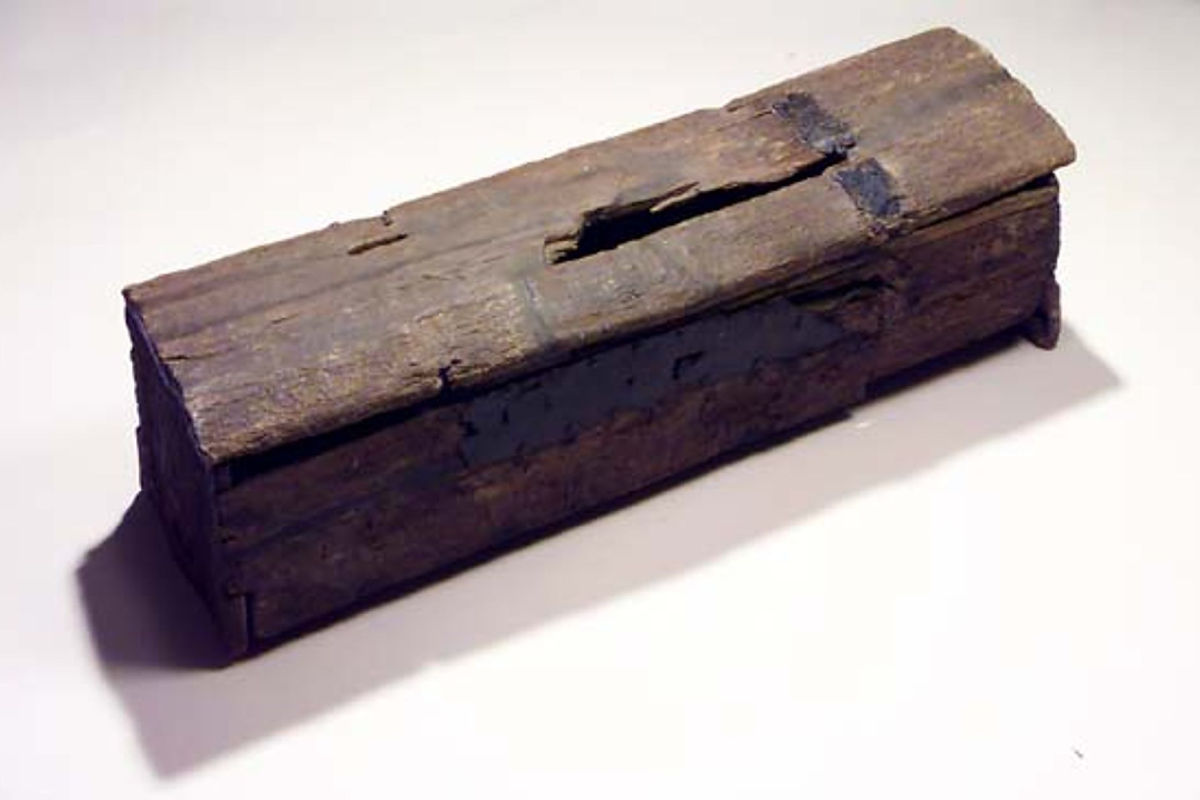
image: Christer Åhlin / Statens Historiska Museum
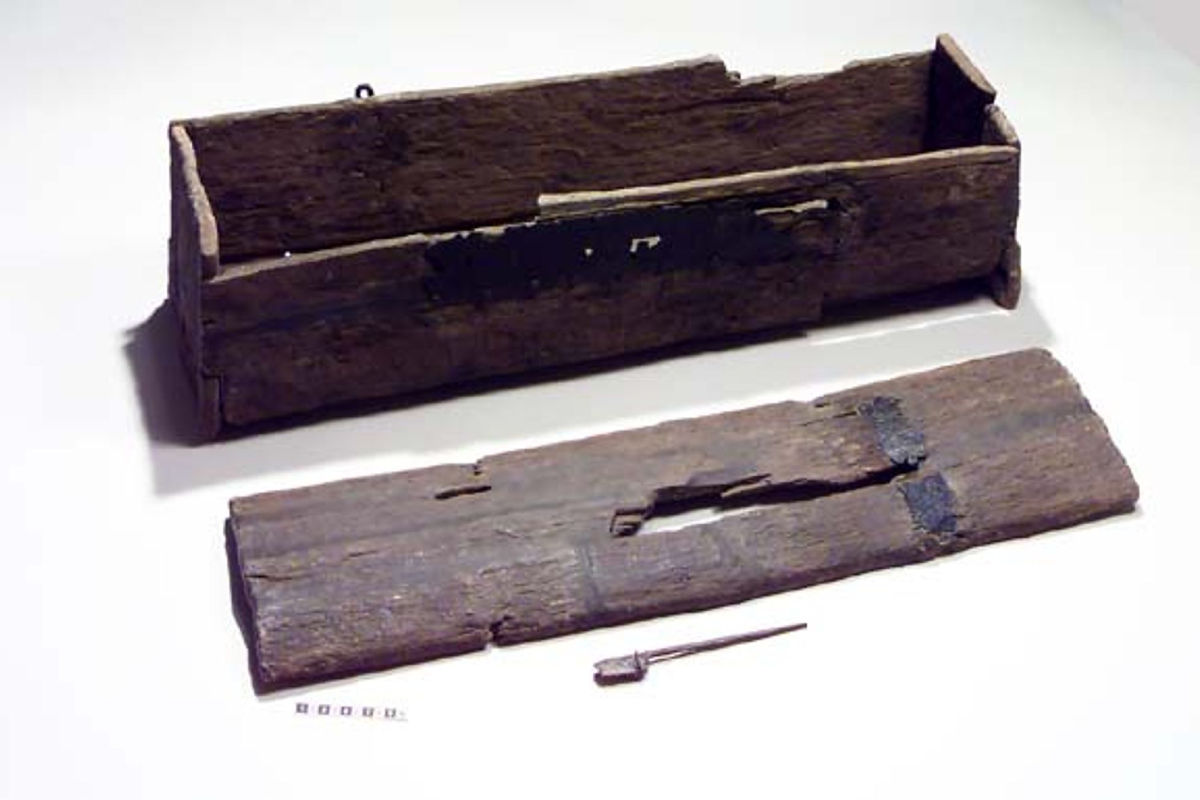
image: Christer Åhlin / Statens Historiska Museum
The discovery of the Mästermyr chest led to a five-decade-long research endeavor, culminating in a comprehensive volume titled “The Mästermyr Find: A Viking Age Tool Chest from Gotland.” This book details each of the 200 items in the chest and provides a broader analysis of technological and social developments in central and northern Europe during the chest’s period of use.
The Mästermyr chest and its tools are exceptionally well-preserved, demonstrating the craftsmanship and skill of Viking artisans. This discovery has expanded our understanding of Viking technology and daily life and continues to fascinate historians, archaeologists, and history enthusiasts, offering a tangible connection to early medieval Scandinavia and the practical skills of Viking society.